
How to Plan Balanced Meals Without Stress for a Healthier Lifestyle
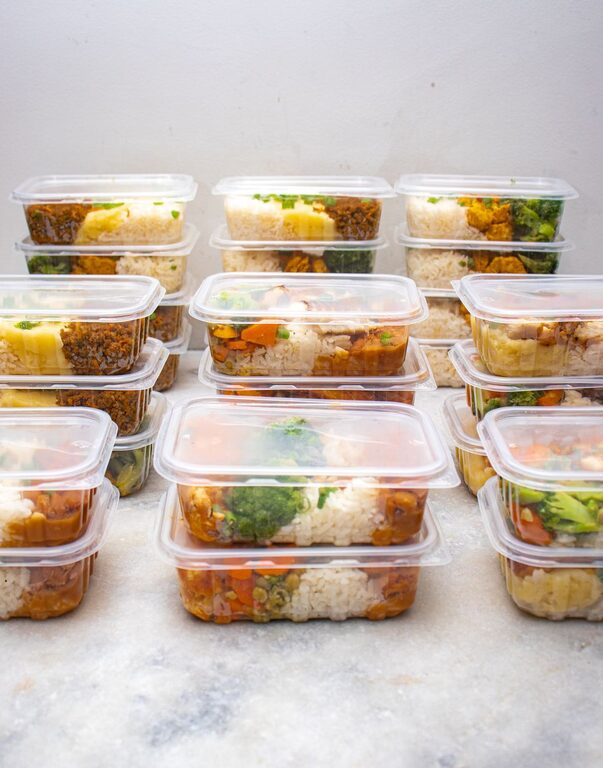
Planning balanced meals can sometimes feel overwhelming, especially when juggling work, family, and other commitments. However, with a few straightforward strategies, you can create nutritious and satisfying meals without the stress. This guide will help you understand the essentials of balanced meals and offer practical tips to make meal planning a breeze.
What Is a Balanced Meal?
A balanced meal includes a variety of food groups to provide the essential nutrients your body needs. Typically, this means incorporating:
– Proteins: Such as lean meats, beans, tofu, or fish.
– Carbohydrates: Preferably whole grains like brown rice, quinoa, or whole wheat bread.
– Healthy Fats: From sources like avocados, nuts, seeds, and olive oil.
– Fruits and Vegetables: A colorful variety to provide vitamins, minerals, and fiber.
– Dairy or Alternatives: For calcium and vitamin D, such as milk, yogurt, or fortified plant-based options.
The goal is to combine these elements in portions that satisfy hunger and support overall health.
Benefits of Planning Balanced Meals
Meal planning offers several advantages:
– Improved Nutrition: Helps you maintain a well-rounded diet.
– Reduced Last-Minute Stress: Saves time deciding what to cook daily.
– Cost Savings: Limits impulse buys and food waste.
– Healthier Choices: Encourages mindful eating habits.
Steps to Plan Balanced Meals Without Stress
1. Start with a Simple Meal Framework
Begin by creating a basic structure for your meals. For example, think of your plate divided into three parts:
– Half the plate filled with vegetables and fruits.
– One-quarter with protein.
– One-quarter with whole grains or starchy vegetables.
This visual guide makes it easier to assemble balanced meals quickly.
2. Make a Weekly Meal Plan
Set aside some time each week to plan your meals. You don’t need to plan every detail but having an outline helps:
– Choose three to five main meals you enjoy.
– Decide when you will have leftovers or quick snacks.
– Consider prep time and cooking skills.
3. Keep a Well-Stocked Pantry and Refrigerator
Having staple ingredients on hand reduces last-minute trips to the store and encourages cooking at home. Stock up on:
– Whole grains (rice, oats, pasta)
– Canned beans and tomatoes
– Frozen vegetables and fruits
– Spices and healthy oils
– Nuts and seeds
4. Prep Ingredients Ahead of Time
If your schedule is busy, try prepping parts of your meals in advance:
– Wash and chop vegetables.
– Cook grains or proteins in bulk.
– Portion snacks into containers.
Preparing ahead makes assembling meals faster and less stressful.
5. Use Easy and Versatile Recipes
Opt for meals that are simple to make and adaptable. Stir-fries, salads, soups, and sheet-pan dinners are excellent options. They can be customized with different ingredients and flavors without much extra effort.
6. Listen to Your Body’s Hunger and Fullness Cues
Balanced meal planning is also about tuning in to your body. Eat when hungry, enjoy your food, and stop when satisfied. This helps avoid overeating and supports a healthy relationship with food.
Tips for Keeping Meal Planning Fun and Sustainable
– Try New Foods Gradually: Introduce new vegetables or dishes slowly to keep meals exciting.
– Batch Cook and Freeze: Prepare large portions and freeze extras for busy days.
– Involve Family or Friends: Sharing cooking can make it more enjoyable and less stressful.
– Be Flexible: It’s okay to swap meals or eat out occasionally.
– Keep It Colorful: A variety of colors on your plate usually means a range of nutrients.
Common Meal Planning Challenges and Solutions
| Challenge | Solution |
|—————————–|—————————————|
| Limited time to cook | Use slow cookers or instant pots. |
| Picky eaters in the family | Prepare meals with customizable sides.|
| Budget constraints | Choose seasonal produce and buy in bulk.|
| Lack of inspiration | Use meal planning apps or cookbooks. |
Sample Balanced Meal Ideas to Get You Started
– Breakfast: Greek yogurt with mixed berries, a handful of nuts, and a drizzle of honey.
– Lunch: Grilled chicken salad with mixed greens, cherry tomatoes, quinoa, and an olive oil vinaigrette.
– Dinner: Baked salmon with steamed broccoli and roasted sweet potatoes.
– Snack: Apple slices with almond butter.
Final Thoughts
Planning balanced meals doesn’t have to be complicated or stressful. By focusing on simple principles, preparing in advance, and staying flexible, you can enjoy nutritious meals that support your well-being without feeling overwhelmed. Start small, and make meal planning a habit that fits your lifestyle.
Remember, the goal is to nourish your body while enjoying your food and life. Happy meal planning!