
Simple Ways to Reduce Noise at Home for a Peaceful Environment
Living in a noisy environment can be stressful and disruptive, especially at home where you expect peace and relaxation. Whether your home is near a busy street, you have noisy neighbors, or everyday household sounds feel overwhelming, there are simple steps you can take to reduce noise and create a quieter space. In this post, we’ll explore practical and affordable ways to cut down on noise, making your home a more peaceful retreat.
Why Reducing Noise at Home Matters
Excessive noise can affect your mood, concentration, and even your sleep quality. Creating a quieter environment boosts comfort and helps you feel more relaxed. Fortunately, you don’t need expensive renovations to start making a difference—small changes can have a big impact.
—
Assessing Noise Sources in Your Home
Before tackling noise reduction, it’s helpful to identify where the noise is coming from. Common sources include:
– Traffic and street noise
– Loud neighbors or shared walls
– Household appliances like washers, dryers, or HVAC units
– Footsteps or voices from inside your home
– Outdoor activities such as lawn mowers or pets
Once you know the main noise culprits, you can choose the most effective strategies to address them.
—
Simple Noise Reduction Tips
1. Use Soft Furnishings to Absorb Sound
Hard surfaces reflect sound, making noise seem louder. Adding soft materials can absorb sound waves and reduce echoes.
– Place rugs or carpets on floors, especially hardwood or tile.
– Hang heavy curtains or drapes over windows.
– Use upholstered furniture like sofas and cushioned chairs.
– Add throw pillows and fabric wall hangings.
These items help muffle sounds and make rooms more acoustically friendly.
2. Seal Gaps and Cracks Around Doors and Windows
Noise often sneaks in through small openings. Sealing these gaps can block unwanted sounds effectively.
– Apply weatherstripping to door frames.
– Use door sweeps to seal spaces under doors.
– Caulk cracks around window frames.
– Consider installing double-pane or laminated windows for better sound insulation.
Even simple fixes like sealing gaps can bring noticeable improvements.
3. Rearrange Furniture Strategically
Furniture placement can help block or absorb noise.
– Position bookshelves or wardrobes against walls that face noisy streets or neighbors.
– Use large pieces of furniture to create a barrier between you and the noise source.
– Avoid placing seating too close to windows or doors that let in noise.
This method is easy to try and adjust until you find an optimal layout.
4. Add Soundproofing Materials
For more robust noise reduction, consider affordable soundproofing solutions.
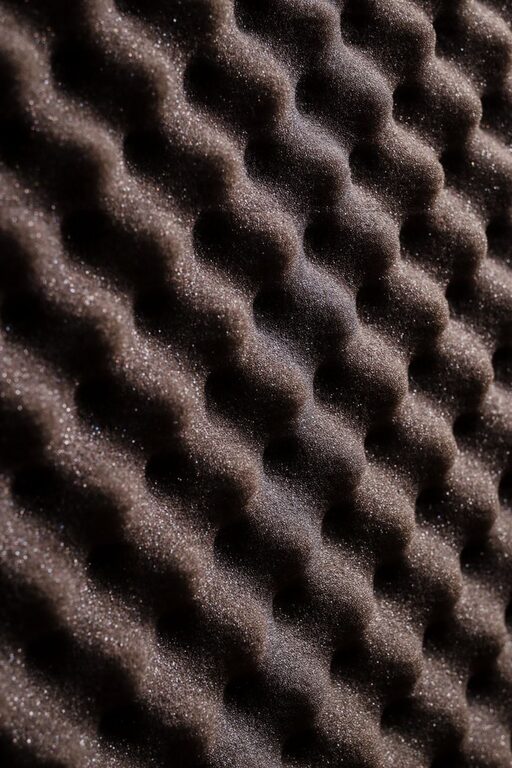
– Install acoustic panels or foam tiles on walls.
– Use soundproof curtains designed to block noise.
– Lay mass-loaded vinyl barriers under flooring or behind drywall.
You don’t need to soundproof every room completely—targeting the noisiest areas or walls helps reduce sound transmission.
5. Use White Noise or Background Sounds
In some cases, masking noise with pleasant background sounds can improve your perception of quiet.
– Use white noise machines or smartphone apps.
– Play soft music, nature sounds, or fans.
– This approach can be especially helpful for improving sleep in noisy environments.
—
Long-Term Noise Reduction Strategies
Upgrade Windows and Doors
If noise is a persistent issue, investing in better quality windows and doors may be worthwhile.
– Double-glazed or triple-glazed windows offer superior noise insulation.
– Solid-core doors block more sound than hollow ones.
– Ensure proper installation and sealing for best results.
Improve Wall Insulation
Sound can travel through walls, so upgrading insulation can reduce noise significantly.
– Add thicker insulation materials inside walls when renovating.
– Consider adding an extra layer of drywall with soundproof glue.
– Use resilient channels to decouple drywall and reduce vibration transmission.
While more involved, these improvements provide lasting noise reduction benefits.
Landscape for Noise Control
Outdoor landscaping can help reduce noise before it even reaches your home.
– Plant dense shrubs or trees along property lines.
– Build fences or walls that act as sound barriers.
– Use water features like fountains to create soothing background sounds.
These natural and structural elements absorb and block noise from outside sources.
—
Maintaining a Quiet Home Environment
Minimize Indoor Noise
– Use rugs and pads under noisy appliances.
– Encourage household members to keep noise levels down.
– Close doors to noisy rooms when possible.
– Regularly maintain appliances to prevent loud operation.
Set Quiet Hours
Establish quiet periods during the day, especially when working or resting. Clear communication with family or roommates helps maintain a peaceful atmosphere.
—
Final Thoughts
Reducing noise at home is achievable with a combination of simple changes and thoughtful upgrades. By addressing the main noise sources and adding sound-absorbing elements, you’ll create a more comfortable and restful living environment. Start with easy fixes and gradually explore more comprehensive solutions that fit your budget and needs. Your home deserves to be a calm oasis where noise doesn’t disrupt your peace.