How to Create a Simple Weekly Meal Plan for Better Eating

Creating a weekly meal plan can seem daunting at first, but it’s one of the best ways to simplify your cooking routine, save money, and eat healthier. Whether you’re cooking for yourself, a family, or a group, a simple meal plan helps reduce last-minute stress and minimizes food waste.
In this post, we’ll walk you through easy steps to create a weekly meal plan that fits your lifestyle. No complicated recipes or strict dieting rules—just practical tips to make mealtime enjoyable and manageable.
Why Create a Weekly Meal Plan?
Before diving into how, it’s helpful to understand why meal planning works:
– Saves time: Knowing what you’re cooking ahead lets you shop efficiently and avoid daily decision fatigue.
– Reduces stress: No more “what’s for dinner” panic after a long day.
– Encourages healthy choices: Planning ahead can help you include balanced meals with veggies, proteins, and whole grains.
– Minimizes food waste: Buying only what you need means less spoilage.
– Saves money: Avoid impulse buys and expensive takeout meals.
Step 1: Assess Your Week
Start by looking at your schedule for the upcoming week:
– Note any busy days when you might need quick meals or leftovers.
– Identify days with more time to cook fresh recipes.
– Consider any social plans, like dining out or potlucks.
This will help you decide how many meals to plan and what type suits each day.
Step 2: Choose Your Meals
When selecting meals, keep it simple and realistic:
– Pick 3-5 main dishes: These can be proteins like chicken, fish, beans, or tofu prepared in various ways.
– Include versatile sides: Think rice, quinoa, roasted veggies, or simple salads that pair with multiple mains.
– Plan for leftovers: Cook extra portions for easy lunches or quick dinners.
If you’re unsure what to cook, consider:
– Using your favorite recipes
– Searching for simple recipes online
– Incorporating seasonal produce
Step 3: Make a Shopping List
Once you have your meals picked out, write down all ingredients. Organize your list by category:
– Produce
– Dairy
– Proteins
– Pantry staples (spices, oils, grains)
– Frozen items
Check your pantry and fridge beforehand to avoid buying duplicates. Having a clear list streamlines grocery shopping and prevents impulse buys.
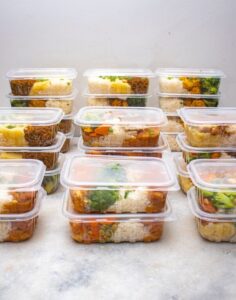
Step 4: Prep Ahead
Meal prep is an optional but helpful step:
– Wash and chop veggies in advance.
– Cook grains or proteins that store well.
– Portion out snacks or lunches.
Spending 30-60 minutes prepping can make cooking on busy nights much easier.
Step 5: Create Your Weekly Meal Plan Template
Set up a simple chart or use a printable planner:
| Day | Meal | Notes |
|———–|——————|—————————-|
| Monday | Grilled chicken & quinoa | Prep veggies Sunday |
| Tuesday | Veggie stir-fry | Use leftover rice |
| Wednesday | Pasta with marinara | Frozen garlic bread |
| Thursday | Bean chili | Make extra for lunch |
| Friday | Homemade pizza | Family pizza night |
This helps visualize your week and reminds you of any prep tasks.
Tips for Staying on Track
– Be flexible: If plans change, swap meals or use leftovers.
– Keep staples on hand: Eggs, canned beans, frozen veggies offer quick meal options.
– Use leftovers creatively: Turn dinner leftovers into wraps, salads, or soups.
– Make it fun: Try new recipes or themes (Meatless Monday, Taco Tuesday).
– Get the family involved: Kids can help choose meals or assist with prep.
Sample Simple Meal Plan
To get started, here’s an example of a basic weekly plan:
– Monday: Baked salmon, roasted broccoli, brown rice
– Tuesday: Chicken tacos with avocado and salsa
– Wednesday: Lentil soup with crusty bread
– Thursday: Stir-fried tofu and mixed vegetables
– Friday: Homemade veggie pizza
– Saturday: Spaghetti with meat sauce and side salad
– Sunday: Roast chicken with potatoes and carrots
Final Thoughts
A simple weekly meal plan doesn’t have to be complicated. By assessing your schedule, choosing easy recipes, prepping ahead, and sticking to a plan, you’ll save time and enjoy more balanced meals. Start small, and adjust your plan based on what works best for you.
Happy meal planning!