Beginner Tips for Composting at Home: A Simple Guide
Composting at home is a rewarding way to reduce waste and create nutrient-rich soil for your garden. If you’re new to composting, it might seem complicated at first, but with the right approach, anyone can start turning everyday scraps into valuable compost. This beginner-friendly guide will walk you through the basics and share practical tips to get your compost bin thriving.
What Is Composting?
Composting is the natural process where organic materials, like food scraps and yard waste, break down into humus—a dark, crumbly substance full of nutrients. Instead of sending these materials to the landfill, composting recycles them back into the soil, improving plant health and reducing waste.
Why Start Composting at Home?
– Reduce Waste: Nearly 30% of household waste is compostable.
– Improve Soil: Compost adds nutrients, helps retain moisture, and encourages beneficial microbes.
– Save Money: Healthy soil reduces the need for chemical fertilizers.
– Help the Environment: Composting lowers methane production in landfills.
What You Need to Get Started
Gathering a few basic items will set you up for success:
– A Compost Bin or Pile: Choose a bin that suits your space—options include tumblers, traditional bins, or even a simple pile in your yard.
– Organic Materials: Kitchen scraps and yard waste.
– Water Source: To keep the compost moist.
– A Pitchfork or Garden Fork: For turning the compost.
Choosing a Compost Bin
Your compost bin can be as simple or sophisticated as you like:
– Compost Tumblers: These sealed containers make turning easy and speed up decomposition.
– Stationary Bins: Open-top bins that allow you to add scraps easily.
– DIY Piles: Starting a compost pile in a corner of your yard with no bin at all.
Consider the space you have and choose a bin that fits your lifestyle.
What to Compost: Greens and Browns
Successful composting depends on balancing two types of materials:
Greens (Nitrogen-Rich)
These provide protein and moisture to feed the microbes breaking down the compost.
– Fruit and vegetable scraps
– Coffee grounds and tea bags
– Fresh grass clippings
– Plant trimmings
Browns (Carbon-Rich)
These add structure and aerate the pile, helping it to dry and decompose properly.
– Dry leaves
– Straw or hay
– Shredded newspaper or cardboard
– Wood chips and sawdust
What NOT to Compost
Avoid adding these materials as they can cause odors, attract pests, or introduce harmful pathogens:
– Meat, fish, and dairy products
– Oils and fats
– Pet waste
– Diseased plants
– Chemically treated wood or yard waste
How to Build Your Compost Pile
- Start with a layer of coarse browns like small twigs or straw to help with drainage.
- Add alternating layers of greens and browns, aiming for roughly 2:1 ratio of browns to greens.
- Chop or shred larger pieces to speed decomposition.
- Keep the pile moist, like a wrung-out sponge.
- Turn the pile every 1-2 weeks to add oxygen and speed up the process.
Monitoring Your Compost
– Moisture: Too dry slows decomposition; too wet causes smells.
– Temperature: A healthy compost pile heats up as microbes work; it should feel warm but not hot.
– Smell: A fresh earthy smell means it’s healthy; bad odors usually mean too much moisture or too many greens.
Troubleshooting Common Issues
– Smelly Compost: Add more browns and turn the pile to improve aeration.
– Slow Decomposition: Chop materials smaller and turn more often.
– Pests: Avoid adding meat, keep the bin covered, and bury fresh scraps in the pile.
Using Your Finished Compost
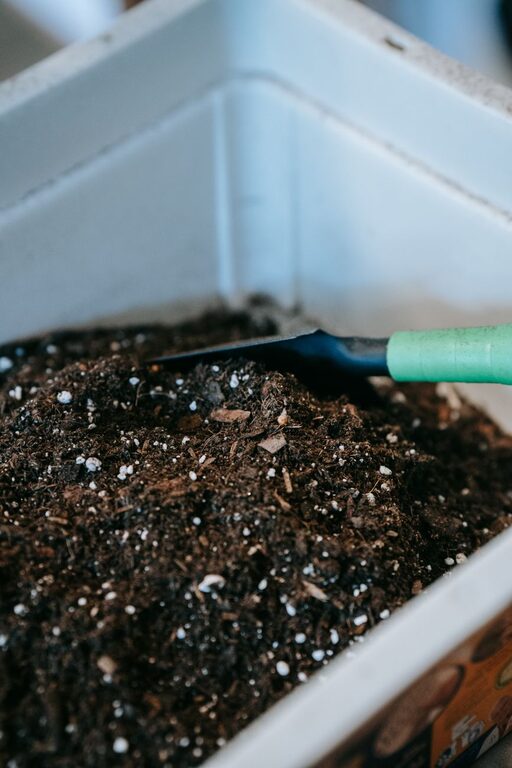
After a few months, the compost at the bottom of the pile should be dark, crumbly, and smell like fresh soil. Here’s how to use it:
– Mix into garden beds to enrich soil.
– Use as mulch around plants to retain moisture.
– Add to potting soil mixes for houseplants.
– Use to rejuvenate lawn areas and flower beds.
Final Tips for Beginner Composters
– Start small and be patient; composting is a natural process and takes time.
– Keep a small container in your kitchen for green scraps to make composting convenient.
– Experiment with different bins and techniques to see what works best for you.
– Educate yourself continuously—composting can be as simple or as advanced as you want.
Composting at home is a simple step you can take toward living more sustainably. With these beginner tips, you’re well on your way to turning your kitchen and yard waste into a valuable resource that benefits your plants and the planet. Happy composting!