
Practical Ways to Reduce Food Waste at Home
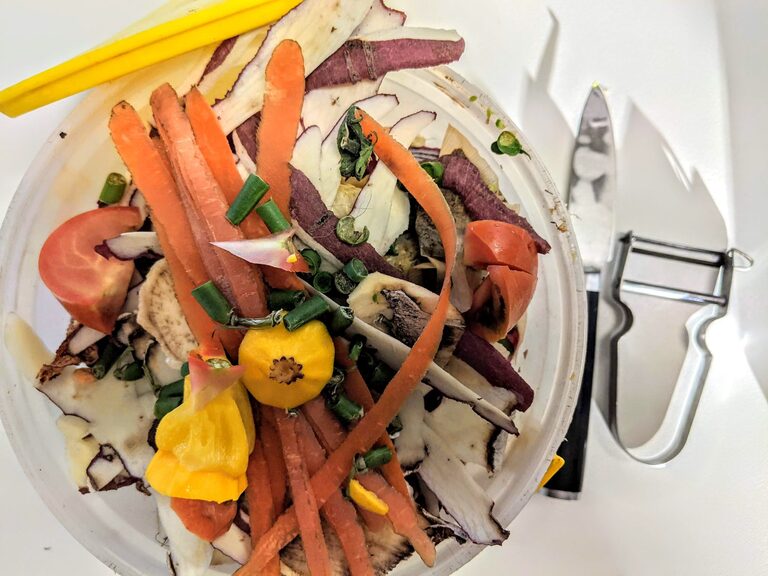
Reducing food waste at home is not only good for the environment but also helps you save money and make the most of the food you buy. Many households throw away a significant amount of food each week without realizing it. By adopting a few practical habits and planning ahead, you can cut down on waste and enjoy fresher meals. Here are some easy and effective ways to reduce food waste at home.
Plan Your Meals Ahead
One of the best ways to prevent food waste is to plan your meals for the week. This helps you buy only what you need and use ingredients before they spoil.
– Make a shopping list based on your weekly meal plan.
– Check your pantry and fridge before shopping to avoid duplicates.
– Choose versatile ingredients that can be used in multiple recipes.
By planning meals, you can also reduce impulse buys that often go unused.
Shop Smart and Buy Only What You Need
When shopping, focus on buying the right quantities and types of food:
– Buy loose fruits and vegetables instead of pre-packaged ones to choose the exact amount.
– Purchase smaller portions of fresh items if you live alone or have a small household.
– Consider buying “ugly” produce, which is often discounted but just as nutritious.
Buying thoughtfully reduces the chances of food spoiling before you can use it.
Store Food Properly
Proper storage extends the shelf life of your groceries and helps preserve freshness. Here are some tips:
– Keep fruits and vegetables in the right place—some do better in the fridge, others on the counter.
– Store bread in a cool, dry place or freeze it to prevent mold.
– Use airtight containers or resealable bags to maintain freshness.
– Label leftovers with dates so you know when to eat them.
Learning about how different foods should be stored can make a big difference in waste reduction.
Use Leftovers Creatively
Leftovers can be turned into delicious meals instead of being tossed out. Some ideas include:
– Transforming roast vegetables or meat into soups or casseroles.
– Adding leftover rice or grains to salads or stir-fries.
– Using stale bread for croutons, breadcrumbs, or bread pudding.
– Freezing surplus meals for future use.
Creativity in the kitchen helps maximize the value of your ingredients.
Practice Portion Control
Serving the right amount of food reduces uneaten leftovers that end up in the trash.
– Start with smaller portions and go back for seconds if you’re still hungry.
– Use measuring cups or scales to familiarize yourself with appropriate serving sizes.
– Encourage family members to take only what they can eat.
This approach helps decrease plate waste and encourages mindful eating.
Donate Excess Food
If you have unopened, non-perishable food items you won’t use, consider donating them to local food banks or shelters. This helps support your community and prevents perfectly good food from going to waste.
Compost Food Scraps
Some food waste is unavoidable, but composting can turn scraps into nutrient-rich soil for your garden.
– Collect fruit and vegetable peels, coffee grounds, eggshells, and other compostable waste.
– Avoid composting meat, dairy, and oily foods to prevent pests.
– Create a simple compost bin or use a local community composting program.
Composting is an environmentally friendly way to manage food waste sustainably.
Monitor Expiration Dates and Rotate Stock
Keep track of expiration dates and organize your pantry and fridge so that older items are used first:
– Arrange foods with the earliest expiration dates at the front.
– Practice the “first in, first out” rule.
– Regularly check your supplies for items nearing their use-by date.
This habit helps ensure nothing is forgotten and wasted.
Educate Your Household
Encourage all members of your household to be mindful about food waste by:
– Sharing tips and the importance of reducing waste.
– Assigning roles like meal planning, shopping, or composting.
– Making food waste reduction a fun and shared goal.
Working together increases success and awareness.
—
By adopting these strategies, you can significantly reduce food waste at home, save money, and contribute to a healthier planet. Small changes in how you shop, store, and consume food add up to big benefits over time. Start today and enjoy fresher meals and less waste!