
Simple Ways to Practice Creativity Every Day
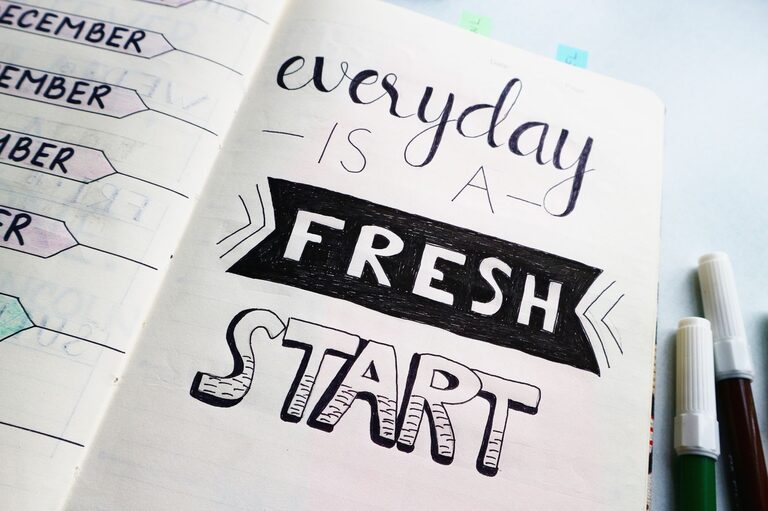
Creativity is often seen as a talent reserved for artists, writers, and musicians, but in reality, everyone can nurture their creative side. Practicing creativity every day not only brings joy but also helps problem-solving, enhances mental flexibility, and can improve overall wellbeing. The good news is that creativity doesn’t require grand gestures or special skills—it can be cultivated with simple, consistent habits.
In this post, we’ll explore accessible and effective ways to practice creativity daily, no matter your background or schedule. Whether you want to boost your creative thinking for work or personal satisfaction, these tips will help you get started and stay inspired.
Why Practice Creativity Every Day?
Creativity isn’t just about making art; it’s about thinking differently, connecting ideas, and finding new solutions. Regular creative practice can:
– Improve cognitive function and memory
– Increase adaptability and innovation
– Reduce stress and improve mood
– Enhance communication and self-expression
By integrating creativity into your daily life, you build a habit that encourages curiosity and exploration.
Simple Ways to Practice Creativity Every Day
1. Keep a Journal or Sketchbook
Writing or drawing in a journal is a straightforward way to spark creativity. You don’t have to be a great writer or artist—just use it as a space to brainstorm ideas, jot down thoughts, or doodle.
– Set aside 5-10 minutes daily to write or sketch.
– Write about your day, dreams, or random thoughts.
– Draw shapes, patterns, or objects around you.
Over time, you’ll notice patterns, new ideas, and creative connections emerging from your notes.
2. Try Creative Prompts
Using prompts can jumpstart your imagination. There are many prompt books, apps, and websites that offer daily creative challenges tailored for writing, drawing, photography, and more.
– Pick a prompt that interests you.
– Set a timer for 10 minutes and commit to the prompt.
– Don’t worry about the outcome; focus on the process.
This method helps overcome “blank page” fear and encourages playful exploration.
3. Change Your Environment
A change of scenery can stimulate fresh thinking by exposing you to new sights, sounds, and experiences.
– Take a walk in a different neighborhood or park.
– Rearrange your workspace or add colorful decorations.
– Visit museums, cafes, or community events.
New environments provide inspiration and can lead to unexpected creative ideas.
4. Practice Mindfulness and Observation
Creativity often springs from noticing details others might miss.
– Spend a few minutes each day observing your surroundings without distractions.
– Focus on textures, colors, sounds, or smells.
– Try describing what you notice in your journal or sketchbook.
Mindfulness enhances your ability to see the world differently, a key skill for creative thinking.
5. Experiment Without Judgement
Give yourself permission to play and try new things without worrying about success or failure.
– Experiment with different art materials or writing styles.
– Cook a new recipe or rearrange furniture creatively.
– Try a craft or DIY project just for fun.
When you remove pressure to perform, creativity flows more freely and authentically.
6. Collaborate and Share Ideas
Creativity can be contagious. Sharing your ideas and working with others can spark new perspectives.
– Join a creative group or online community.
– Engage in brainstorming sessions with friends or colleagues.
– Share your work and invite feedback.
Collaboration introduces fresh ideas and motivates you to keep creating.
7. Set Small, Manageable Goals
Large projects can feel overwhelming, which might stifle creativity. Instead, break down creative practice into small, achievable steps.
– Commit to writing one sentence a day.
– Make a quick sketch during a coffee break.
– Take one photo focusing on a specific theme.
These small actions build momentum and make creativity a regular habit.
8. Use Technology Wisely
Many apps and digital tools can support creative practice, but balance is essential.
– Use writing apps, drawing tablets, or idea organization tools to help develop your creativity.
– Schedule “tech-free” time for unplugged creative activities.
– Follow inspirational blogs, podcasts, or online workshops for fresh ideas.
Technology can enhance creativity if used mindfully.
Tips to Stay Consistent
– Create a routine: Set a specific time each day for your creative practice.
– Be patient: Creativity improves with regular effort, not overnight.
– Celebrate progress: Acknowledge your creative moments, no matter how small.
– Avoid self-criticism: Focus on expression over perfection.
Final Thoughts
Practicing creativity every day is a rewarding journey that can enrich many areas of your life. By integrating simple habits like journaling, mindful observation, experimentation, and collaboration, you’ll open the door to fresh ideas and personal growth. Remember, creativity is a skill anyone can develop—start small, stay curious, and enjoy the process.