
Creative Tips for Keeping Kids’ Art Organized and Clutter-Free
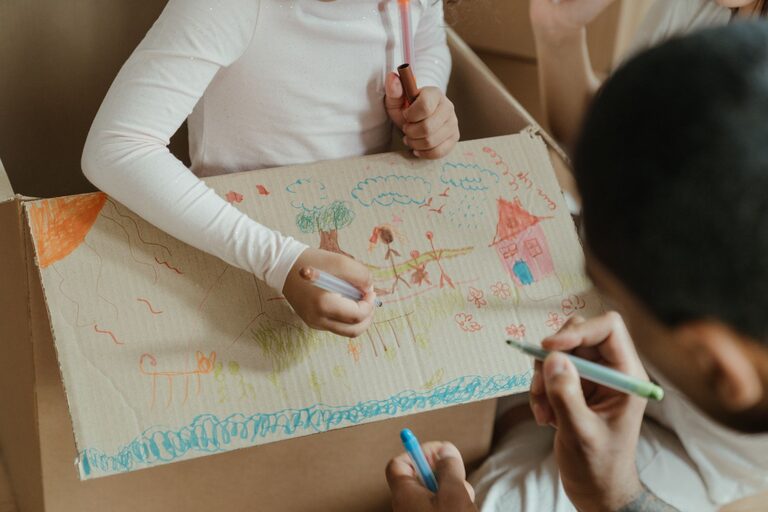
Children’s artwork is a wonderful way to see their creativity blossom. From finger paintings to school projects, these colorful pieces hold sentimental value and showcase your child’s development. However, as the art pile grows, keeping everything organized can become a challenge. Without a system in place, treasured drawings and crafts might get lost or damaged, and clutter can take over your home.
Fortunately, there are many effective and simple strategies to keep kids’ art organized while allowing your family to enjoy and celebrate these creations. In this post, we’ll explore practical tips and creative solutions that make organizing kids’ art fun and manageable.
Why Organizing Kids' Art Matters
Before diving into tips, it’s important to understand why organizing your child’s artwork is worthwhile:
– Preserves memories: Art reflects different stages of your child’s growth and personality.
– Reduces clutter: Without a plan, paper and crafts can accumulate quickly.
– Teaches organization skills: Involving your child can help them learn to keep their belongings tidy.
– Encourages creativity: Displaying art boosts confidence and motivates kids to create more.
Getting Started: Sort and Declutter
The first step is to gather all existing artwork and sort it carefully.
Step 1: Collect All Art Pieces
– Look around the house for drawings, paintings, collages, and crafts.
– Don’t forget hard-to-see places like backpacks, drawers, or the car.
Step 2: Sort by Category or Date
Decide how you’d like to organize the art:
– By age or grade: This helps track progress over time.
– By type: Separate paintings, drawings, and 3D crafts.
– By theme: For example, holidays, animals, or family portraits.
Step 3: Decide What to Keep
You probably can’t keep every piece. Work with your child to select favorites:
– Keep artworks that show milestones or special memories.
– Recycle or repurpose the rest.
– Take photos of bulky or fragile items before parting with them.
Creative Storage Solutions
Once you have a well-curated selection, choose a storage method that fits your space and lifestyle.
Use Art Portfolios or Binders
A large, flat portfolio or a binder with plastic sleeves can hold multiple pieces safely.
– Label by year or child’s name.
– Easy to flip through and enjoy.
Create a Rotating Display Gallery
Set up an area in your home to showcase recent artwork.
– Use clipboards, frames with easy-open backs, or wire with clips.
– Rotate pieces regularly to keep the display fresh.
– This also helps limit how many art pieces you keep on display.
Digital Archiving
For those short on physical space, digitize artwork.
– Take clear photos or scan drawings.
– Store images on a computer or cloud service.
– You can create photo books or slideshows as keepsakes.
Storage Boxes and Containers
Use labeled plastic bins or accordion folders for 3D art and bulky projects.
– Choose acid-free materials to preserve paper quality.
– Keep boxes accessible so kids can add new creations.
Involve Your Child in the Process
Making organization a team effort helps children develop responsibility.
– Let them choose which art to keep and where to store it.
– Encourage them to help with labeling and filing.
– Celebrate their choices and create music playlists or snacks for sorting sessions to make it fun.
Repurposing and Display Ideas
Sometimes, the best way to honor your child’s art is to turn it into something new.
Gift Wrap or Cards
Use drawings as unique gift wrap or greeting cards for family and friends.
DIY Art Books
Bind selected artworks into personalized books.
– Use a simple ring binder or try handmade binding techniques.
– Add captions or dates to remember details.
Framed Collages
Arrange several smaller pieces into a large frame for a colorful display.
Fabric Prints
Consider services that print artwork on items like pillows, t-shirts, or mugs.
Tips to Maintain Organization Over Time
To keep art organized long-term, establish some habits:
– Set limits: Decide how many pieces to keep per month or school year.
– Regular reviews: Schedule times to review and refresh the collection.
– Involve the whole family: Encourage siblings to participate and respect each other’s art.
– Designate a space: Have a specific spot for new art to avoid clutter spreading.
Final Thoughts
Keeping kids’ artwork organized doesn’t have to be overwhelming. With a little planning, creativity, and involvement from your child, you can create a system that preserves precious memories while maintaining a neat and welcoming home. Whether you choose a rotating gallery, digital archive, or personalized portfolio, the key is to make the process enjoyable and meaningful for the whole family.
By celebrating your child’s creativity in an organized way, you encourage their growth and create lasting keepsakes to cherish for years to come. Happy organizing!